
Construction Accounting Services
Accounting Challenges Construction Companies Face as They Grow
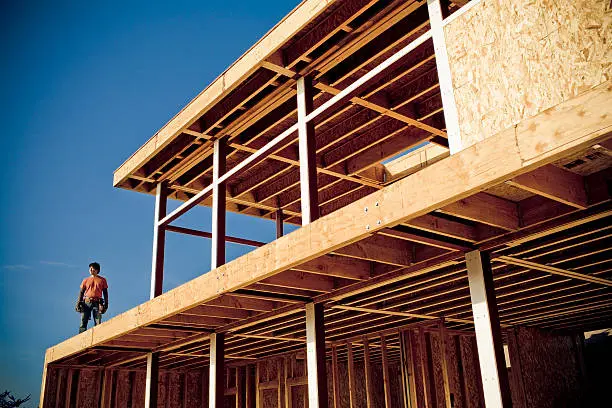
Construction companies operate in highly variable project environments where labor-intensive payroll, subcontractor coordination, fluctuating material costs, change orders, retainage structures, and project delays all influence profitability.
As contractors grow, maintaining clear financial visibility often becomes more difficult. Material pricing shifts rapidly between projects. Labor costs increase as crews expand. Billing cycles and retainage structures affect cash flow timing. Multiple active projects create additional complexity.
Over time, many construction organizations discover that traditional bookkeeping systems no longer provide enough insight into profitability, labor utilization, or long-term planning.
Leadership teams often need greater visibility into:
- Job profitability
- Labor utilization
- Subcontractor expenses
- Material cost fluctuations
- Payroll overhead
- Cash flow timing
- Long-term growth opportunities
Molinari Oswald provides CPA-led construction accounting services designed to help contractors organize reporting systems, strengthen tax planning, and support informed business decisions.
Rather than functioning solely as a bookkeeping provider, our team works closely with construction organizations to develop reporting structures that create greater clarity around financial performance.
What Accounting Services Do Construction Companies Typically Need?
Construction companies often require accounting services that help monitor job profitability, organize labor expenses, coordinate payroll, improve cash flow forecasting, strengthen tax planning, and support long-term planning.
As contractors grow, stronger reporting systems help leadership evaluate project performance, labor efficiency, material costs, and operational stability.
Supporting Construction Companies Throughout the Lehigh Valley, Pennsylvania & the Mid-Atlantic
Construction organizations throughout the region continue navigating labor shortages, material price fluctuations, project scheduling challenges, and increasingly complex multi-project environments.
Regional Support Framework
| Region & Core Territory | Businesses Supported | Operational Focus |
|---|---|---|
| Lehigh Valley Hub (Allentown, Bethlehem, Easton, Whitehall) | General contractors and builders | Profitability and reporting visibility |
| Southeastern Pennsylvania (Bucks, Montgomery, Berks, Philadelphia) | Commercial contractors and specialty trades | Payroll coordination and tax planning |
| Mid-Atlantic Region (New Jersey, Delaware, Maryland, Virginia) | Multi-crew and regional construction organizations | Advisory support and scalable reporting |
Why Construction Accounting Requires More Than Traditional Bookkeeping
Construction companies operate with project-based revenue cycles, labor-intensive payroll, retainage structures, subcontractor expenses, and material cost fluctuations that traditional bookkeeping systems are not designed to manage effectively.
For example:
- Project profitability may vary significantly between jobs.
- Material prices can affect margins unexpectedly.
- Payroll costs increase during active construction periods.
- Delayed payments may create cash flow pressure.
- Change orders can affect project profitability.
- Multiple active projects complicate forecasting.
Many construction organizations eventually discover that year-end accounting alone does not provide enough visibility into operational performance.
Why Job Costing Visibility Matters for Construction Companies
Job profitability is one of the most important financial indicators within a construction company.
Unlike many service businesses, contractors often manage multiple projects simultaneously, each with different labor requirements, material costs, subcontractor expenses, and timelines.
Strong job costing systems help leadership understand which projects are generating healthy margins and which jobs may be reducing overall profitability.
As organizations expand, stronger reporting systems become essential for maintaining visibility into project performance and long-term financial stability.
What We Commonly See During Construction Financial Reviews
One of the most common discoveries during construction financial reviews is that revenue growth and profitability are not always aligned.
Contractors may increase project volume while labor expenses, material costs, subcontractor payments, equipment expenses, and overhead quietly reduce margins. Looking beyond top-line revenue often provides a more complete picture of financial performance.
Example
A growing construction company may add crews and increase project volume while simultaneously experiencing higher labor costs, fluctuating material expenses, delayed collections, and increasing overhead.
Without stronger job costing systems, leadership may assume growth is improving profitability when margins are actually shrinking.
Common Construction Financial Challenges
| Financial Area | Common Operational Challenge | Accounting & Advisory Support |
|---|---|---|
| Job Costing | Tracking profitability by project | Project profitability reporting |
| Labor & Payroll | Managing field payroll and overtime | Payroll coordination and forecasting |
| Material Expenses | Monitoring fluctuating supply costs | Expense analysis |
| Cash Flow Timing | Managing delayed payments and retainage | Cash flow forecasting |
| Subcontractor Coordination | Organizing contractor payments and reporting | Financial organization |
| Multi-Project Scheduling | Consolidating reporting across projects | Operational reporting systems |
Accounting Services Designed for Construction Business Operations
Growing construction organizations often require stronger reporting systems as operations become more complex.
Construction Accounting Services Include
- Construction bookkeeping services
- Financial statement preparation
- Job costing analysis
- Payroll coordination
- Subcontractor payment reporting
- Tax planning and preparation
- Cash flow forecasting
- Project profitability reporting
- Labor cost analysis
- Business advisory services
- Long-term financial planning
Key Financial Metrics Construction Companies Should Monitor
Strong accounting systems should provide more than transactional bookkeeping.
Job profitability and labor efficiency often provide a clearer picture of business stability than revenue growth alone.
Why These Metrics Matter
Every contractor tracks revenue.
Fewer organizations consistently monitor profitability.
Understanding job costing, labor expenses, material costs, overhead, and cash flow often provides better insight into long-term stability than project volume alone.
Important Veterinary Practice KPIs
| KPI | Why It Matters |
|---|---|
| Gross Profit Per Project | Measures project profitability |
| Labor Cost Percentage | Monitors workforce efficiency |
| Job Cost Variance | Tracks project budget accuracy |
| Revenue Per Crew | Measures operational productivity |
| Cash Flow Trends | Evaluates financial stability |
| Overhead Percentage | Measures operational efficiency |
| Net Operating Margin | Measures overall profitability |
Why Construction Companies Choose Molinari Oswald
Construction businesses often require more than year-end tax preparation.
As organizations expand, leadership teams frequently need stronger reporting systems, organized financial information, and strategic guidance.
Molinari Oswald helps contractors move beyond transactional bookkeeping by providing CPA oversight, organized reporting, and advisory support designed to improve financial clarity and support long-term decision-making.
Learn More About CLARITY!
A CPA-Led Accounting & Advisory Framework for Growing Businesses
CLARITY! is Molinari Oswald’s accounting and advisory framework designed to help construction organizations improve profitability insight, organize reporting systems, strengthen cash flow management, and support informed business decisions.
Instead of relying on disconnected bookkeeping, tax, and advisory providers, CLARITY! integrates accounting, reporting, tax planning, and strategic financial guidance into one coordinated framework.
Schedule a Construction Accounting Consultation
Whether you operate a general contracting company, commercial construction organization, remodeling business, specialty trade company, or growing multi-crew contractor, Molinari Oswald provides accounting and advisory services tailored to construction operations.
Speak With a CPA About Your Construction Business Goals
Connect with our team to discuss:
- Reporting and profitability
- Job costing visibility
- Payroll and labor expenses
- Material and subcontractor costs
- Tax planning
- Cash flow forecasting
- Long-term growth planning
Construction companies throughout Pennsylvania and the Mid-Atlantic trust Molinari Oswald for coordinated accounting, advisory, and financial reporting support.
Frequently Asked Questions
Why would a construction company need specialized accounting services?
Construction companies often manage project-based revenue, labor-intensive payroll, subcontractors, material costs, retainage structures, and cash flow timing challenges that require more specialized financial oversight than traditional bookkeeping alone can provide.
What financial reports should construction companies review regularly?
Construction companies commonly review job costing reports, project profitability reports, labor cost reports, cash flow summaries, operating margin reports, and overhead analysis. These reports help leadership evaluate financial performance and support better decision-making.
How do CPA firms help construction companies make better business decisions?
CPA firms help construction companies organize financial information, monitor job profitability, analyze labor costs, improve cash flow forecasting, strengthen reporting systems, and support long-term planning.
What expenses can construction companies typically deduct?
Construction companies may qualify for deductions related to equipment purchases, vehicle expenses, payroll costs, subcontractor payments, software systems, tools, and business overhead. Tax planning strategies vary based on each company’s operations and financial goals.
Why can a growing construction company still struggle with profitability?
A construction company may increase project volume while labor expenses, material costs, subcontractor payments, equipment expenses, and operating overhead continue rising. Financial reporting helps leadership understand whether growth is translating into stronger margins.
When should a construction company consider outsourced accounting services?
Many contractors consider outsourced accounting support when project volume increases, job costing becomes more complex, reporting requirements expand, or leadership requires stronger visibility into profitability and cash flow.
How do you know when your construction company has outgrown basic bookkeeping?
Construction companies often outgrow basic bookkeeping when multiple projects, expanding crews, subcontractor coordination, and increased reporting requirements require stronger visibility into profitability and financial performance.
What should contractors look for in a CPA firm?
Contractors should look for a CPA firm with experience in job costing analysis, payroll coordination, cash flow forecasting, tax planning, subcontractor reporting, financial reporting, and long-term advisory support.
